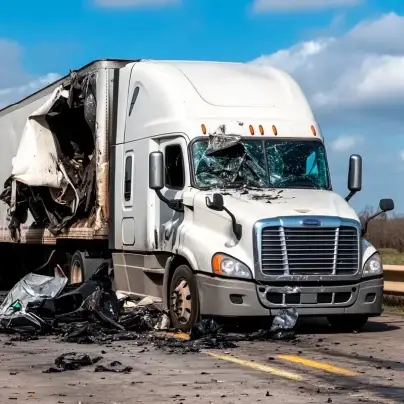
Truck accidents can have devastating consequences, often resulting in serious injuries, financial loss, and emotional trauma. In Atlanta, where heavy traffic and commercial trucking are prevalent, understanding the legal landscape surrounding truck accidents is crucial for victims seeking justice and compensation. This guide aims to provide a detailed overview of the laws governing truck accidents in Atlanta, helping victims and their families navigate the often complex legal processes involved.
The aftermath of a truck accident can leave victims feeling overwhelmed and uncertain about their rights and the steps they need to take. Each year, thousands of individuals find themselves facing the daunting task of dealing with insurance companies, medical bills, and potential legal claims. The laws surrounding truck accidents can be intricate, involving various regulations that differ from those governing standard vehicular accidents. This guide will break down essential information, including liability, common causes of truck accidents, and the importance of securing experienced legal representation.
Understanding the legal framework is essential for anyone involved in a truck accident. Victims often find themselves navigating a maze of regulations, insurance protocols, and potential court proceedings. Moreover, the emotional and physical toll of such incidents can cloud judgment, making it even more critical to have a clear understanding of one’s rights and options. This guide will not only detail the necessary steps to take after an accident but also offer insights into how to effectively pursue compensation for injuries sustained and damages incurred.
One of the most crucial aspects of truck accident claims is determining liability. Unlike typical car accidents, where the driver is often solely responsible, truck accidents can involve multiple parties. These may include the truck driver, the trucking company, maintenance providers, or even manufacturers of defective truck parts. Understanding who is at fault can significantly impact the outcome of your case and the compensation you may receive.
In many instances, truck drivers are considered employees of a trucking company, which can lead to the company being liable for the driver's actions under the principle of vicarious liability. This means that if the driver was acting within the scope of their employment when the accident occurred, the employer may also be held responsible. Additionally, if a truck accident is caused by a maintenance failure, the entity responsible for maintaining the vehicle could also face liability.
Establishing liability often requires a thorough investigation, involving gathering evidence such as police reports, eyewitness accounts, and expert testimony. Consulting with a qualified attorney who specializes in truck accidents can greatly enhance your chances of successfully proving liability and securing the compensation you deserve.
Several key factors come into play when determining liability in truck accidents. First, understanding the driver’s history is essential. A driver with a history of violations or accidents may warrant a closer examination of their actions leading up to the incident. Second, the condition of the truck at the time of the accident is crucial. If mechanical failure contributed to the accident, it may lead to claims against the maintenance provider or manufacturer.
Another important factor is the truck’s compliance with regulations. The Federal Motor Carrier Safety Administration (FMCSA) has set forth numerous regulations regarding the operation of commercial vehicles. Violations of these regulations, such as exceeding driving hours or failing to conduct proper inspections, can be pivotal in establishing liability.
The insurance landscape for truck accidents can be particularly complex. Trucking companies are typically required to carry higher levels of insurance than standard passenger vehicles due to the increased risk and potential for severe damage. Understanding the specifics of these insurance policies—including limits and exclusions—can be critical for victims seeking compensation.
In many cases, victims will initially deal with the trucking company’s insurance adjuster. This process can be challenging, as the adjuster’s primary goal is to minimize the payout. Having legal representation can help ensure that negotiations are conducted fairly and that victims are not pressured into accepting inadequate settlements.
Truck accidents can occur for a multitude of reasons, often involving factors that may not be present in standard vehicle accidents. Understanding these causes can aid victims in building their case and determining liability. Some common causes include driver fatigue, distracted driving, speeding, and improper loading of cargo.
Driver fatigue is particularly prevalent in the trucking industry, where long hours and tight schedules can lead to drowsiness. The FMCSA has imposed regulations on driving hours to combat this issue; however, violations still occur. Distracted driving, whether from mobile phone use or other activities, is another leading cause of accidents. Victims should be aware that proving distraction can significantly bolster their claims.
Additionally, improper loading can lead to cargo shifts that affect the vehicle's stability and handling, making it crucial for trucking companies to adhere to strict loading guidelines. Each of these factors can serve as a basis for liability and compensation, highlighting the importance of thorough investigations in the aftermath of an accident.